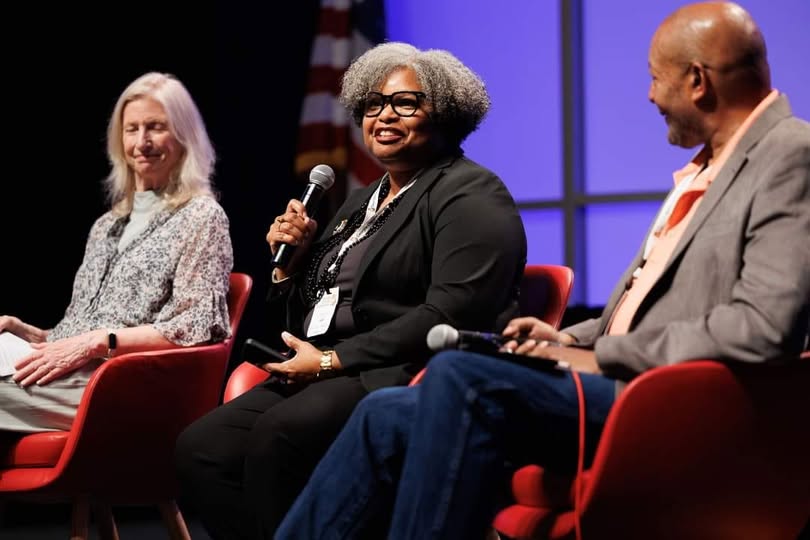
At the beginning of 2024, SCoRE launched its External Advisory Council (EAC) - a group of key partners with deep expertise in sustainability, innovation, and community engagement. As part of our ongoing series, we’re featuring interviews with our EAC members in the SCoRE newsletter. This month, we’re delighted to share an excerpt from a recent conversation between SCoRE Community - Engaged Sustain ability Project Manager Alexandra Rodríguez Dalmau and EAC member Dr. Womack, Executive Director of the Rural Studies Institute at Georgia College & State University. Their discussion explores Dr. Womack's career journey, her deep roots in Black Belt community advocacy, and how her work connects with SCoRE's mission to advance sustainable communities. The interview began with the question below, and Dr. Womack took it from there. (Note that Dr. Womack 's responses have been edited and condensed for short and easy reading.)
Could you walk us through your professional journey?
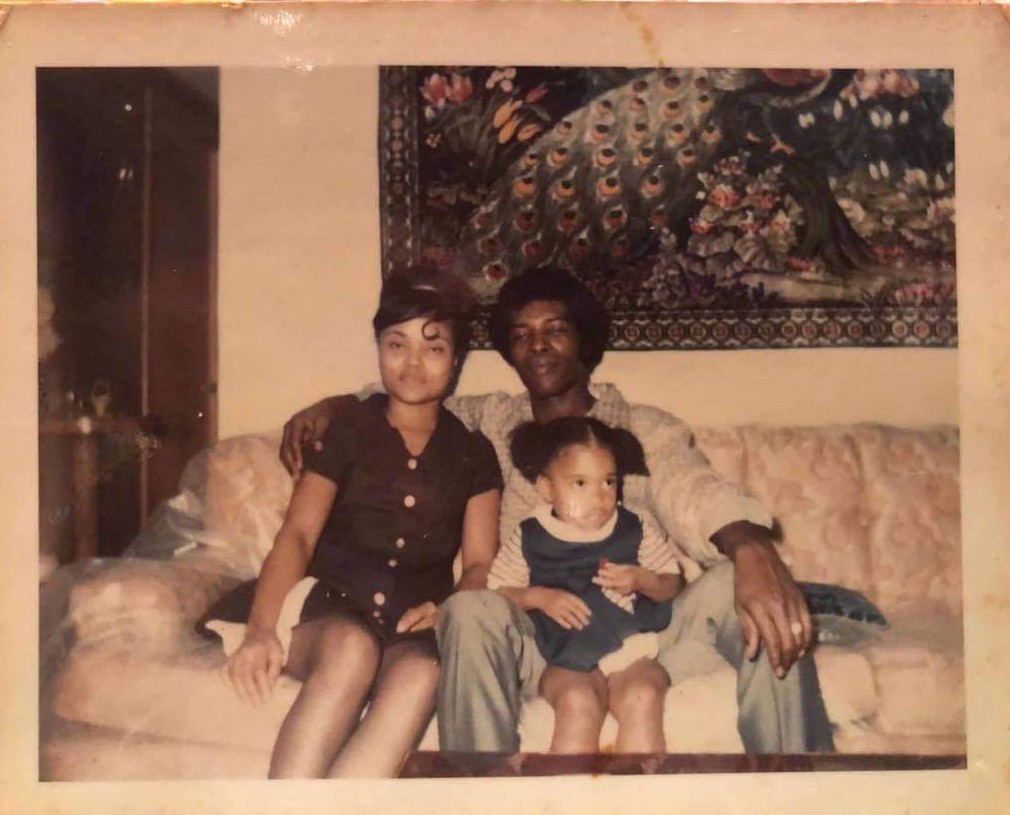
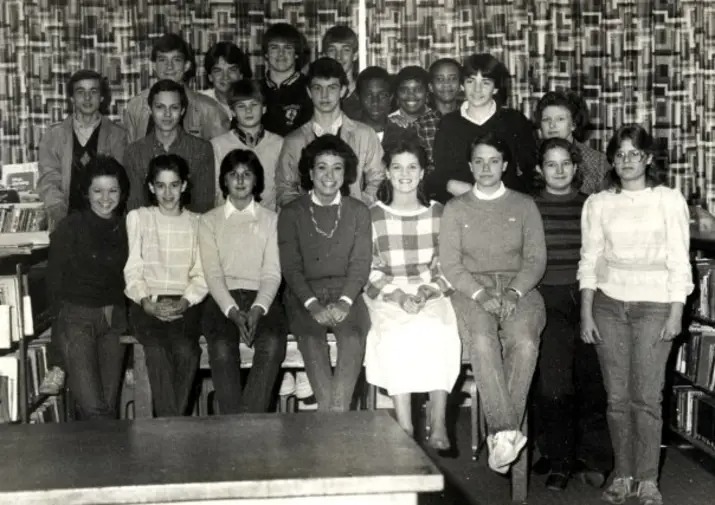
I was born into the work. I really believe that. I grew up in a rural community with deep agrarian roots and traditions. I was surrounded by older African American people, my grandparent s and elders in the community. It was just such a wonderful life. I went to a high school that had a roughly even amount of Black and white students. Black and white families were, for the most part, working - class folks; salt - of the - earth people. And so, I grew up thinking that was the world. I thought everybody lived like that - until I got to the University of Alabama.
That was my first real encounter with the fact that not everyone lived a working - class existence. I began to see a different world. I also realized I was different even among other African American students, because most of them were from urban spaces. I showed up in the early 1990s still listening to blues and R&B, with an 8 - track in my 1977 Thunderbird. I was introduced to all kinds of new music and experiences, but all of that was telling me: your upbringing was unique. People thought they knew rural communities - but they really didn’t. And particularly not Black Belt communities. I wanted to tell the story of Black Belt people and highlight the dignity of their experiences. Just because we may do things differently doesn’t mean what we do is inferior.
During graduate school at the University of Alabama, I started working for a nonprofit in West Alabama on a feasibility study supporting a proposed federal commission for the rural South. I had the privilege of seeing that process up close: watching how policy is shaped and how funding decisions are made. That experience reinforced something I had already sensed: rural people are often not brought to the table when policy decisions are being made about their own lives.
I also carried with me what I witnessed growing up. My community had moved from agriculture into low - skill, low - wage manufacturing work. And just as I was coming of age, those jobs began disappearing too. I watched the local economy decline. When I was seven, my father died. He was a Vietnam veteran. At that time, many Vietnam veterans came home needing services that simply were not there yet. The country had not fully embraced them. In my community, I saw men who came back disfigured, who carried emotional wounds, who needed support. I watched my father’s illness, and I understood very early that policy has real consequences. Decisions made far away affect regular people - people who often don’t have the resources to hire lobbyists or scholars to represent their interests. All of that shaped how I see the world.
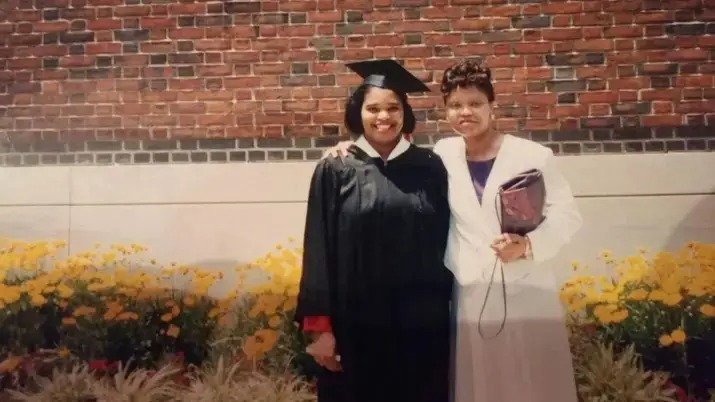
My undergraduate degree was in communications. At first, I thought I might become a lobbyist; advocating for issues that impacted my community. Studying communications taught me the power of words, messaging, and strategy. I had wonderful professors, and I made sure to take courses in African American studies, American studies, and political science alongside my communications coursework. But I realized that if I wanted to work within the system, I needed to understand how it functioned. That led me to pursue a Master of Public Administration. And once I got there, I found myself deeply intrigued by the structure of governance and policy. So, I stayed and completed a PhD in political science - all at the University of Alabama. Each step gave me what I needed: communications for strategy and messaging, public administration for understanding systems, political science for analyzing power and policy. My lived experience gave me context that many researchers don’t have. Most people who work in agricultural policy come from agricultural training. That wasn’t my path. But I bring a different lens – one that is rooted in rural sociology, lived experience, and culture.
What did your path look like after graduate school?
After finishing my doctorate, I joined Georgia College & State University as an assistant professor of political science and public administration. I immediately started doing community - engaged work: partnering with local mayors, running leadership conferences for young people, finding ways to connect the classroom to what was actually happening in communities.
I continued to focus on the Black Belt region, emphasizing that it is a distinct region — just like Appalachia — stretching from Texas to Virginia. Within the broader South, you have subregions: the Delta, the Gullah Geechee corridor, and the Black Belt. Each has its own history, culture, and challenges. That work led me into agricultural policy, specifically the Farm Bill, where so much of rural development funding actually lives. A federal commission for the rural South that advocates had been working toward since the 1990s finally appeared in the 2008 Farm Bill and studying that process drew me deeper into agricultural research and into working directly with farmers.
Eventually, that work led me to found the Rural Studies Institute - a home for interdisciplinary research centered on rural communities, rural voices, and rural experiences.
Was there a turning point that helped you see all of this work coming together?
One thing that struck me was seeing the opportunity to marry the technology world with the liberal arts. When I got connected to Georgia Tech and the SCoRE community - people sometimes wonder what a liberal arts faculty member is doing at a place like Georgia Tech, and my answer is: exactly. The liberal arts bring history, culture, literature, social science - all the disciplines that provide context and help translate ideas for people outside of major metro areas.
That's actually one of the central challenges of the climate transition. We have the work being done, but the messaging isn't reaching people in rural Georgia. If someone can't afford an electric vehicle or solar panels and that's all we're talking about, we're essentially telling them there's nothing they can do. We have to find messages that are appropriate for the audience - that connect to land, to legacy, to the things that rural people already care deeply about.
I initially connected with SCoRE through my work with the Black Farmers Network, where I spoke in a Georgia Tech class. That relationship grew from there. SCoRE has also helped counter rural social isolation. I live two and a ha lf hours from Atlanta. That distance is geographic; but it can also be informational and social. Being connected keeps me abreast of emerging technologies and ideas, and it gives me a way to translate that information back to my community.
What does success look like for the Rural Studies Institute in ten years?
The ideal would be that it's still here, with a passionate director, fully staffed, and built around scientists and scholars specific to rural community - historians, literature scholars, social scientists, STEM researchers - a truly interdisciplinary exploration of the rural South. And we'd have a robust student program. I'd love to see students doing oral histories in communities, working on grants and technical assistance, studying everything from AI in rural communities to biochar, food systems, and how climate change is shifting what grows where. Growing up, we had wild fruit everywhere. We don't anymore. Why? Those are exactly the kinds of questions I'd want young people digging into.
What keeps you engaged and what gives you hope right now?
It's a calling. I did this work because I feel it in my heart; I call it ancestral work. There's an old spiritual called "A Charge to Keep I Have," and I believe everybody has a charge, a mission, something they were created to do. This is mine.
What gives me hope right now is the younger generation. Young people are genuinely interested in the environment, in how their food is grown, in whether people are being exploited along the way. There's a real awareness there. I also think technology and AI, as nervous as they make some of us, are actually equalizing access to information in ways that could benefit rural communities, who have historically been shut out simply by not being in the right room or knowing the right people.
What advice do you have for young people who want to do this kind of work?
Take a moment of reflection and find what tugs at your heart. If you're doing work that's heartfelt, it doesn't matter what obstacles come up; you'll keep going, because this is something you genuinely want to do. You may have to do things that aren't your charge just to get by, but stay clear on what your charge is, why you're here, and find ways to pursue it. I worked other jobs to pay the bills. But I always knew deep down what impact I wanted to have.
What is next for you?
I’m considering pursuing some training in archival work, museum studies, or historical preservation. Things are moving very fast right now, and I want to make sure the heritage of Black Belt communities is documented properly and preserved for the long term.
Genealogical work has also become deeply meaningful to me. For African Americans, there is often what I call the “1870 wall.” The 1870 census was the first time formerly enslaved people were listed by name. Before that, tracing lineage becomes much more challenging. I’ve done DNA testing and have traced my ancestry to regions including Nigeria and Cameroon. Years ago, I had the opportunity to visit those countries, and it felt familiar in a way I can’t fully explain; because that is where my people came from. I’m planning to visit Charleston, where there is a museum with genealogists who help African Americans trace their roots more deeply. I would also love to travel more; to see places connected to my history and identity.
What do you do outside of work to recharge?
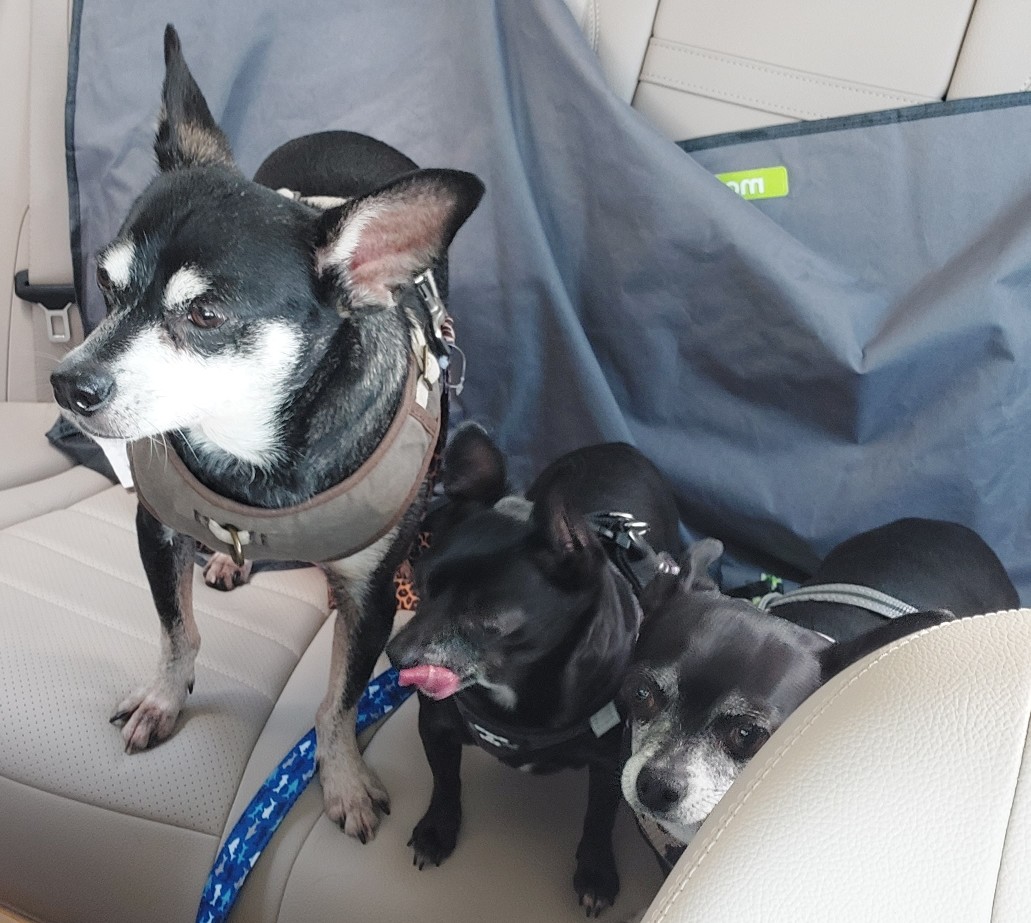
I have extensive plant collections both at home and in my office, and I've been planting lavender everywhere - it keeps the deer away and fills the space with something beautiful. I also have three Chihuahuas, Jack, Lulu, and Bentley, who are, in the best possible way, a handful. Beyond that, I find joy in antique stores, spending time with family, and anything that connects me to nature.