
When I first learned about the Penn Center, I marveled at the history, its ability to gather and empower its residents, and the impact it had on the community. I was even more intrigued when I discovered that such a historic place celebrated Heritage Days on a regular basis. Every year,people from all over the country gather together through music, performances, and parades, to celebrate the Gullah/Geechee people, the culture, the history,and their ancestors.This year, I was fortunate enough to be a part of the celebration.
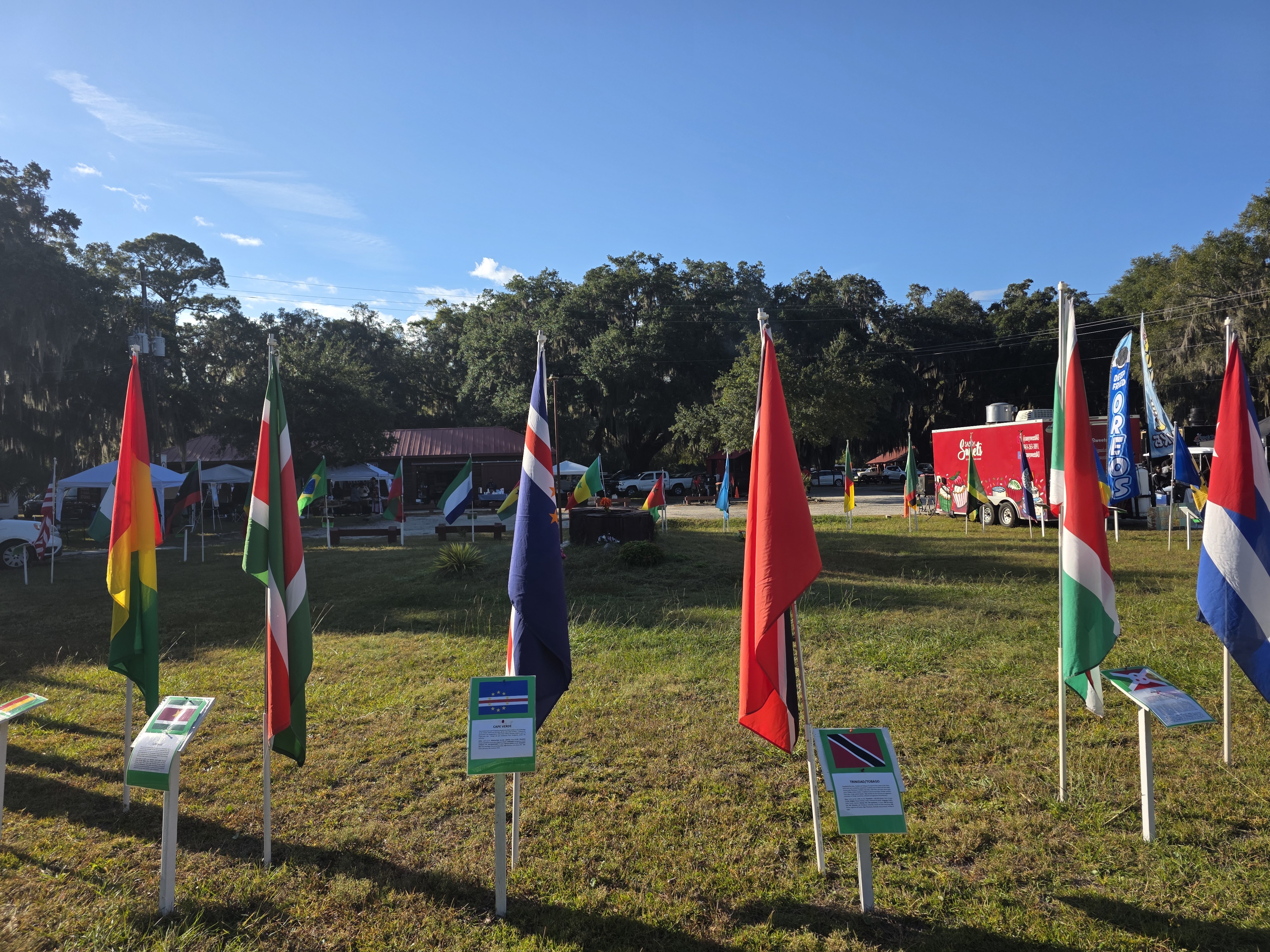
Upon arriving, and meeting a couple of the hosts, I immediately headed to the museum; I wanted to learn more. I walked around slowly, reading as much as I could, absorbing as much as I could, studying the photos and all of the artwork, attempting to transport myself into that time period. I actively listened to the curator, hanging on every word while admiring the beautifully crafted artifacts. Reading the collections, I felt all kinds of emotions, sadness to hear how difficult slave life was, angry to hear how people treated slaves, and at the same time, admiration that regardless of how difficult life was, the Gullah people were resilient. They survived these incredibly challenging circumstances and found a way to continue celebrating their culture, hundreds of years later.
As a Community Engagement Specialist, I see myself as a connector between GA Tech students, faculty, staff, and local community partners, most of the time, small, grassroots non-profit organizations in the Southeast who want to collaborate through a sustainability lens. When I reflect on places like the Penn Center or think about cultures like the Gullah/Geechee, I am reminded of the connection between culture, history, and sustainability. Communities like these are some of the most affected by climate change and must be the most resilient in order to survive, yet many times, have no voice when it comes to implementing the change that they want to see. How can this be considering that these same communities have been implementing sustainability practices which have been a part of their culture for hundreds of years, without ever calling them sustainable?
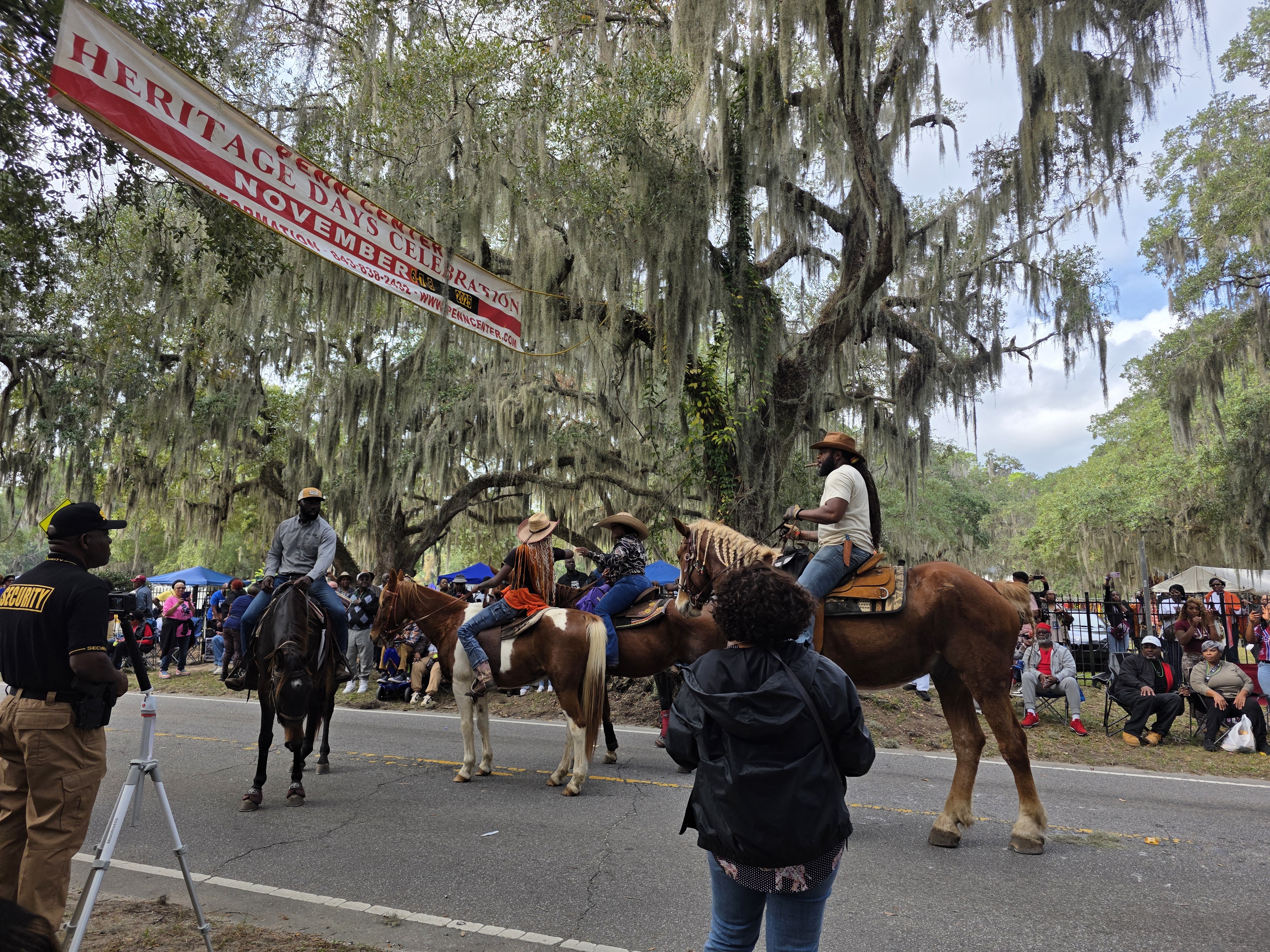
Visiting the Penn Center has altered the way I think about how culture, history, and sustainability intersect. It was made very clear that culture and history lay a foundation for what sustainability means for each community while sustainable practices keep the culture and history alive. They are all interwoven and create a difference in their own respective communities. Though I have always sought out learning about different cultures and their histories, their sustainability practices will now also be on my radar, because together, they make all the difference.
The Penn Center is the first school in the south for formerly enslaved West Africans. Located on St. Helena Island, the campus of the former Penn School is a National Historic Landmark District and comprises two of the four sites in Reconstruction Era National Park. Visit the Penn Center website to learn more.